Table Of Content

A color wheel is a really useful tool in interior design if you know how to use it. You can use a color wheel to easily identify which colors will go well together and what sort of impact they are going to have. Here we look at the types of color schemes you can choose using a color wheel. Therefore, green sits in between blue and yellow on the color wheel. The other secondary colors are orange and violet, which are a result of mixing red and yellow and blue and red. There are many tools and apps available for color wheel interior design.
Monochromatic Color Scheme
The land of new beginnings bursts with creativity from esteemed craftsmen constantly reinventing the wheel and challenging how we view design. Later this experience was deepened by the Swiss artist Johannes Itten. His theory formed the basis of the circle that was named after him – Itten’s color wheel. We are an online interior design studio for enthusiasts and professionals. Get a real-world design education, easy-to-use tools, job opportunities, and a tight-knit community.
How To Create A Color Palette For Your Home, According To Experts - Forbes
How To Create A Color Palette For Your Home, According To Experts.
Posted: Tue, 01 Aug 2023 07:00:00 GMT [source]
Join 50,000+ designers and teams
For example, green pairs well with red, orange complements blue, and purple works harmoniously with yellow. This combination of complementary colors can create a visually striking and dynamic effect in your design. In the color wheel, secondary colors are created by mixing equal parts of two primary colors. These colors are vibrant and offer a wide range of possibilities when it comes to interior design. Understanding the primary colors is essential when creating a color palette for your interior design.
Analogous colour palette in the colour wheel
Expert tips on career, money, and navigating how to become an interior designer. Whether you are planning a complete home makeover or simply want to freshen up a room, the color wheel can provide inspiration and guidance. For example, personal styles can range from modern pop to subtle victorian influences — use these ideas to develop a color palette for dining or living rooms.
Mastering the Art of Analogous Color Schemes in Interior Design
For example, to achieve the secondary color of green, you would mix primary colors blue and yellow. A complementary color scheme is created by using colors that are opposite each other on the color wheel. This color scheme is perfect for those who want to create a bold and eye-catching look. For example, a complementary color scheme in purple can include lavender walls, yellow curtains, and a purple and yellow area rug.
In this living space, the tonal shade of terracotta on the wall provides a warm background for the bold royal blue sofa. Dashes of brown, terracotta and pink on cushions and artworks echo the wall colors, while the matching blue footstool and paler blue rug anchor the look. Understanding these color associations can help you make informed decisions when selecting color schemes for different spaces within your home.
Creating combinations involves the color wheel, starting with the primary, and moving to secondary and tertiary colors. Combining primary colors creates secondary colors, such as purple, green, and red-orange. Consider a living room that features a deep, navy blue sofa as the centerpiece. To create a balanced look, you could incorporate this orange in the form of throw pillows on the sofa, a rug under the coffee table, or artwork on the walls. To add depth, you could use lighter tints of blue for the walls and darker shades of orange for additional accent pieces. This type of color scheme can be used when you want a mix of monochromatic and complementary colors.
But what if you love the contrast of a complementary scheme but crave a bit more harmony? This involves choosing a base color and pairing it with the two colors adjacent to its direct complement on the color wheel. For instance, if you choose blue as your base color, instead of pairing it with its direct complement, orange, you’d opt for red-orange and yellow-orange. This results in a room that’s vibrant and visually exciting, yet still retains a sense of balance and harmony. According to color theory, the complementary color to blue is orange.
In addition to the three primary and three secondary colors, we have six tertiary colors that form a circle of twelve sectors. The first attempts were made by Isaac Newton, who decomposed the white color of the solar spectrum into seven colors, and later identified three main ones – yellow, blue, and red. The rest were obtained by mixing these colors and therefore were called secondary. To develop a color scheme on this site, this color picker will help you find a tint, play with shade, and experiment with color harmonies. It's perfect if you're hoping to flirt with gradients and color mixing.
Whether you choose to use them as the dominant colors in a room or as accent colors, incorporating primary colors into your design can add depth, contrast, and visual interest. Next up, we have the analogous color scheme, which involves using colors that sit side by side on the color wheel. This scheme creates a vibrant yet harmonious look, perfect for those who love color but prefer a more unified feel.
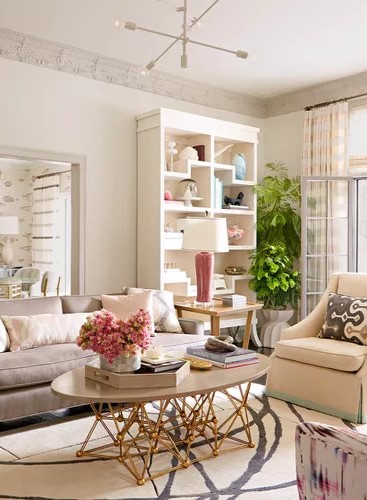
The color wheel is a dynamic and versatile tool, so don't be afraid to explore and play with different color relationships. The color wheel is an essential tool in the world of interior design, acting as a foundational guide for selecting color schemes and understanding color harmony. Originating from Sir Isaac Newton's color theory in the 17th century, this circular diagram arranges colors in a way that helps to visually explain how they relate to each other. You can use color theory by creating a color wheel comprising primary colors, mixing them to create secondary colors, and then mixing primary and secondary colors to create tertiary colors. We’ve journeyed through the vibrant world of color, exploring everything from the basics of color theory to the psychological impact of different hues. We’ve delved into the color wheel, discovered the magic of complementary colors, and even explored other color schemes like monochromatic, analogous, and split-complementary.
Using a color wheel will help you get the perfect palette for a color scheme for your home. This is true for interior design and decorating, but it can be used to get color combinations right in clothing and art, too. In modern interiors (as, indeed, in classic ones), neutral and achromatic colors usually act as base colors. In this case, the color wheel will help you choose accent and complementary colors. For example, we want to create an interior palette based on blue and light blue tones. To do this, we impose an equilateral triangle with its apex on the blue sector – and we see that the triad with these tones is formed by red and yellow.


No comments:
Post a Comment